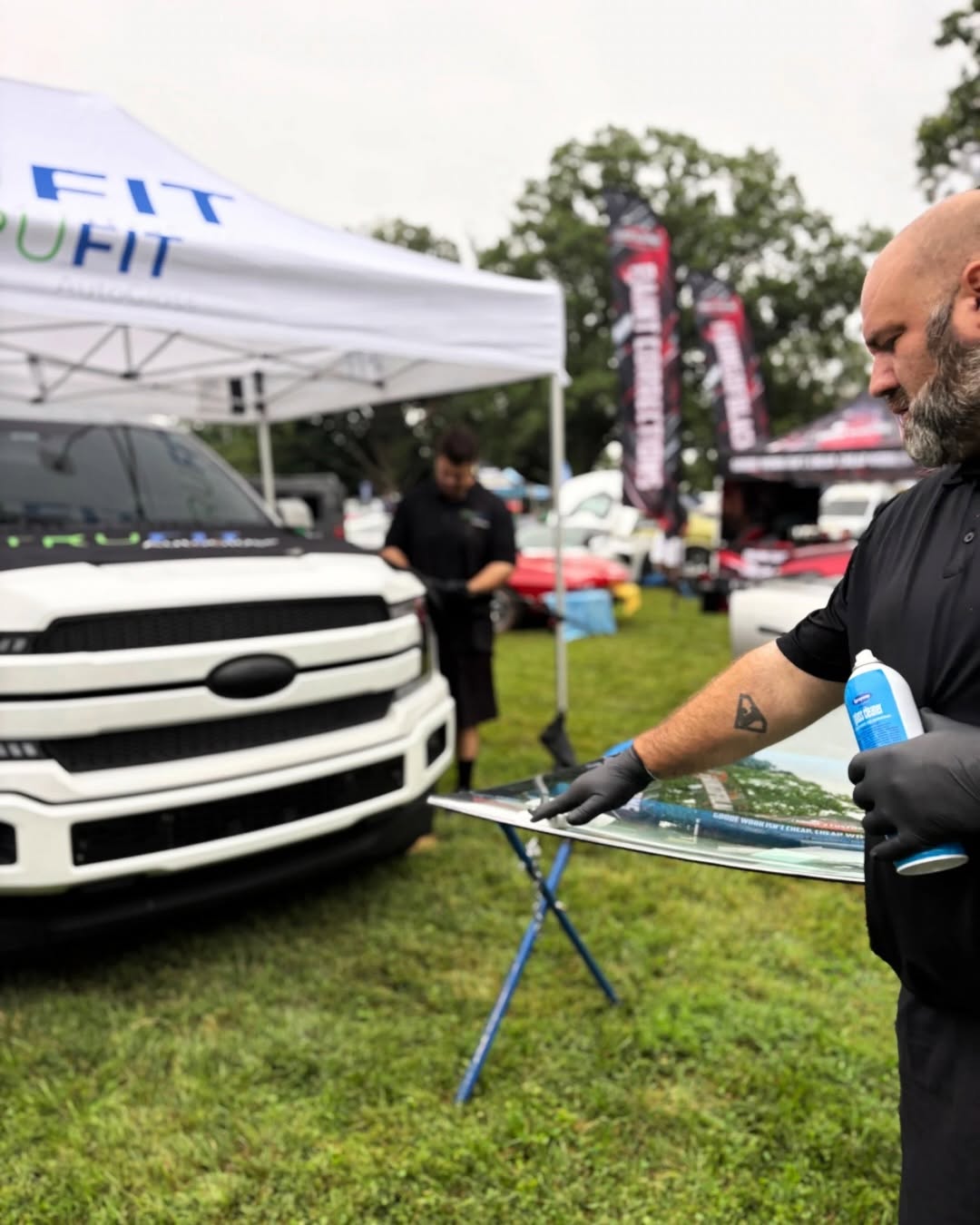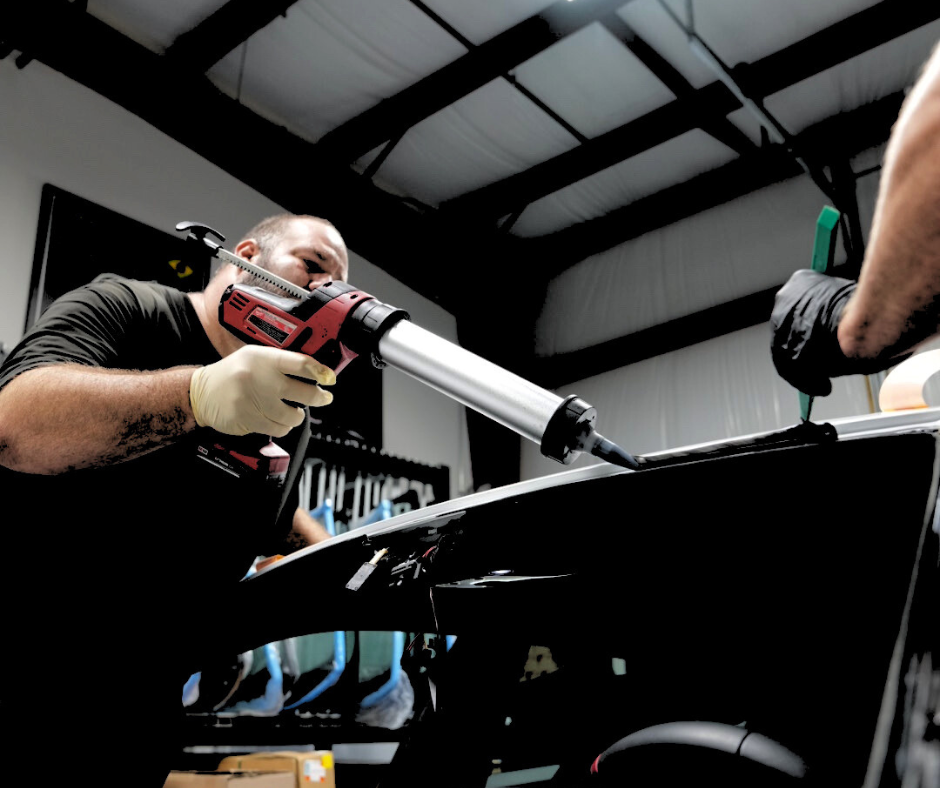


TruFit AutoGlass at Cars in the Commonwealth 2026




What Type of Insurance Covers Your Windshield?
Before anything else, windshield damage is typically covered under comprehensive auto insurance, not basic liability coverage. Liability only pays for damage you cause to others, not to your own vehicle. Windshield claims go through the comprehensive (or “other-than-collision”) part of your policy.
Kentucky — A Great Deal for Drivers
If you live in Kentucky, you’re in one of the few states with special insurance laws for auto glass:
- Kentucky law requires insurers to waive your deductible when you file a claim just for glass repair or replacement as long as you carry comprehensive coverage.
- That means windshield replacement can cost you nothing out of pocket (aside from your regular insurance premiums).
- This law applies to all safety glass, which covers windshields, side windows, and some other vehicle glass.
Pro tip: Always confirm your coverage with your agent — you must have comprehensive coverage for this benefit.
Indiana — Coverage Depends on Your Policy
In Indiana, there’s no state law requiring zero deductible for windshield replacement like in Kentucky:
- Comprehensive coverage usually covers windshield damage, but your deductible still applies unless you’ve purchased a special glass rider.
- Some insurers offer optional glass coverage endorsements or separate deductible options that can reduce or waive your deductible — but this is based on your policy, not state law.
- Indiana Farm Bureau Insurance notes that while small repairs might have a waived deductible in some plans, full replacements often still require the deductible.
Takeaway: Check your actual policy documents or talk to your agent to know what’s covered.
Ohio — Standard Insurance Rules Apply
In Ohio, windshield coverage works much like most U.S. states:
- Comprehensive insurance typically covers windshield damage caused by flying rocks, weather, vandalism, and other non-collision events.
- There’s no state law requiring that your deductible be waived, so for most drivers — your deductible still applies.
- Some insurers offer optional full glass coverage that waives the deductible, but you must select it on your policy.
Why this matters: If your deductible is higher than the cost of replacement, you might pay out of pocket or choose to add glass coverage to your policy before damage occurs.
Quick Tips for Filing Your Claim
- Document the damage with photos before you call your insurer.
- Ask about your deductible and glass endorsements — some policies treat glass separately.
- Choose a shop like TruFit that can help with claims and paperwork and often bill your insurer directly.
- Consider adding glass coverage on renewal if you want zero or low deductible for future repairs.
If you have questions about how your own insurance will handle your windshield claim, TruFit’s team can help explain options and even assist with the claims process so you can get your glass fixed quickly and correctly — no stress required.